Category: Uncategorized

  • Maximize Conversions in 20th century: How Interactive Content Supercharges Your Lead Generation

    In an increasingly crowded digital landscape, capturing and converting leads demands more than traditional static content. Interactive content offers a dynamic, personalized way to engage your audience, doubling engagement rates and significantly improving conversion outcomes. In fact, 79% of marketers plan to increase their use of interactive content in 2025, recognizing its power to transform lead generation and nurturing efforts.

    What is Interactive Content?

    Interactive content requires active participation from users, unlike passive blog posts or videos. Common types include quizzes, assessments, calculators, polls, and interactive infographics. These formats invite users to engage deeply, providing personalized feedback or insights based on their inputs. This active involvement increases user interest and keeps visitors on your site longer, reducing bounce rates.

    Why Interactive Content Boosts Lead Generation

    • Higher Engagement Rates: Interactive content generates 52.6% more engagement compared to static content. Users spend more time interacting with personalized quizzes or calculators, increasing brand recall and trust.
    • Enhanced Data Collection: Interactive formats enable marketers to gather valuable user data in real-time, gaining insights into customer preferences and pain points. This data fuels more effective, personalized marketing campaigns.
    • Increased Shareability: Interactive posts are shared more frequently across social media, extending reach and attracting fresh leads organically.
    • Improved Conversion Rates: Research shows interactive content drives two times more conversions than passive content. By guiding users through personalized journeys, it reduces friction in decision-making and encourages form completions

    Incorporating Interactive Content into Your Strategy

    1. Choose the Right Format: Align interactive tools to your audience’s needs – quizzes can educate, calculators prove ROI, and live webinars build trust.
    2. Distribute Widely: Promote interactive content through email campaigns, social media, and paid advertisements to maximize visibility.
    3. Personalize Follow-Ups: Leverage data collected to tailor nurture sequences that speak directly to the user’s interests and stage in the buying journey.
    4. Optimize for Mobile: Ensure all interactive experiences are seamless on mobile devices to capture leads on-the-go.

    Interactive Content and Trakg’s Lead Capture Power

    • Elevated Engagement through Interactive Content: Interactive content compels users to participate, making them actively invested in your brand. This heightened engagement dramatically increases the likelihood of form completion.
    • Trakg’s Partial and Complete Lead Capture: Even if a user abandons a form halfway through, Trakg’s real-time data capture saves every input securely. This means businesses gather partial submissions that can be recovered, ensuring higher overall lead volume and conversion opportunities.
    • Data-Driven Insights for Optimization: Trakg provides actionable visual insights into user behavior, such as where visitors hesitate or skip fields. Coupled with data from interactive content, marketers can optimize forms and tailor experiences to reduce abandonment.

    Measuring Success

    Track key metrics such as engagement time, completion rates, lead capture numbers, and conversion rates to evaluate the impact of your interactive campaigns. Doubling down on what works ensures sustained growth in lead quality and sales.

  • How to increase conversion rate in highly competitive market

    How to increase conversion rate in highly competitive market

    In today’s fiercely competitive market, businesses face the constant challenge of converting potential leads into loyal customers. A pivotal aspect of this conversion process is the optimization of online forms, which often serve as the primary gateway for customer engagement. However, form abandonment remains a significant hurdle, with studies indicating that a substantial percentage of users abandon online forms before completion. Addressing this issue is crucial for enhancing conversion rates and staying ahead in the market.

    Understanding Form Abandonment

    Form abandonment occurs when users initiate but do not complete a form on a website. This behavior can result from various factors, including lengthy forms, security concerns, confusing user interfaces, or external distractions. Each abandoned form represents a missed opportunity to convert an interested visitor into a customer.

    Strategies to Increase Conversion Rates

    Simplify Form Design

    Complex and lengthy forms can deter users from completing them. By minimizing the number of fields and focusing on essential information, businesses can reduce friction and encourage form completion. Implementing a clean and intuitive design further enhances user experience.

    Enhance User Experience

    A seamless user experience is vital for retaining potential customers. Ensuring that forms are mobile-friendly, load quickly, and are free from technical glitches can significantly reduce abandonment rates. Regular testing and optimization based on user feedback can lead to continuous improvements.

    Build Trust with Users

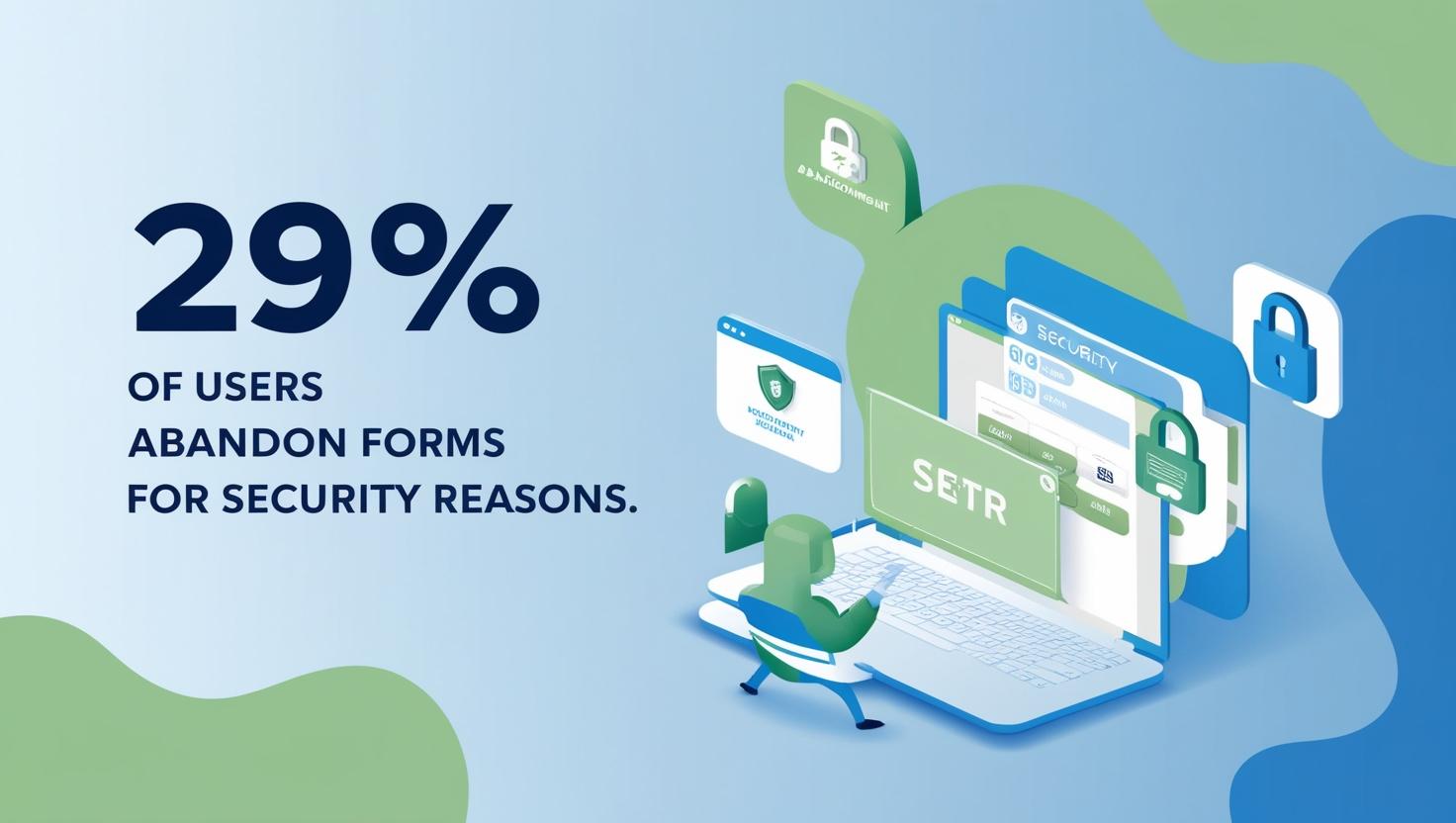
    Security concerns can lead users to abandon forms. Displaying trust badges, ensuring data privacy, and providing clear communication about how user information will be used can alleviate these concerns and build trust.

    Implement Exit-Intent Popups

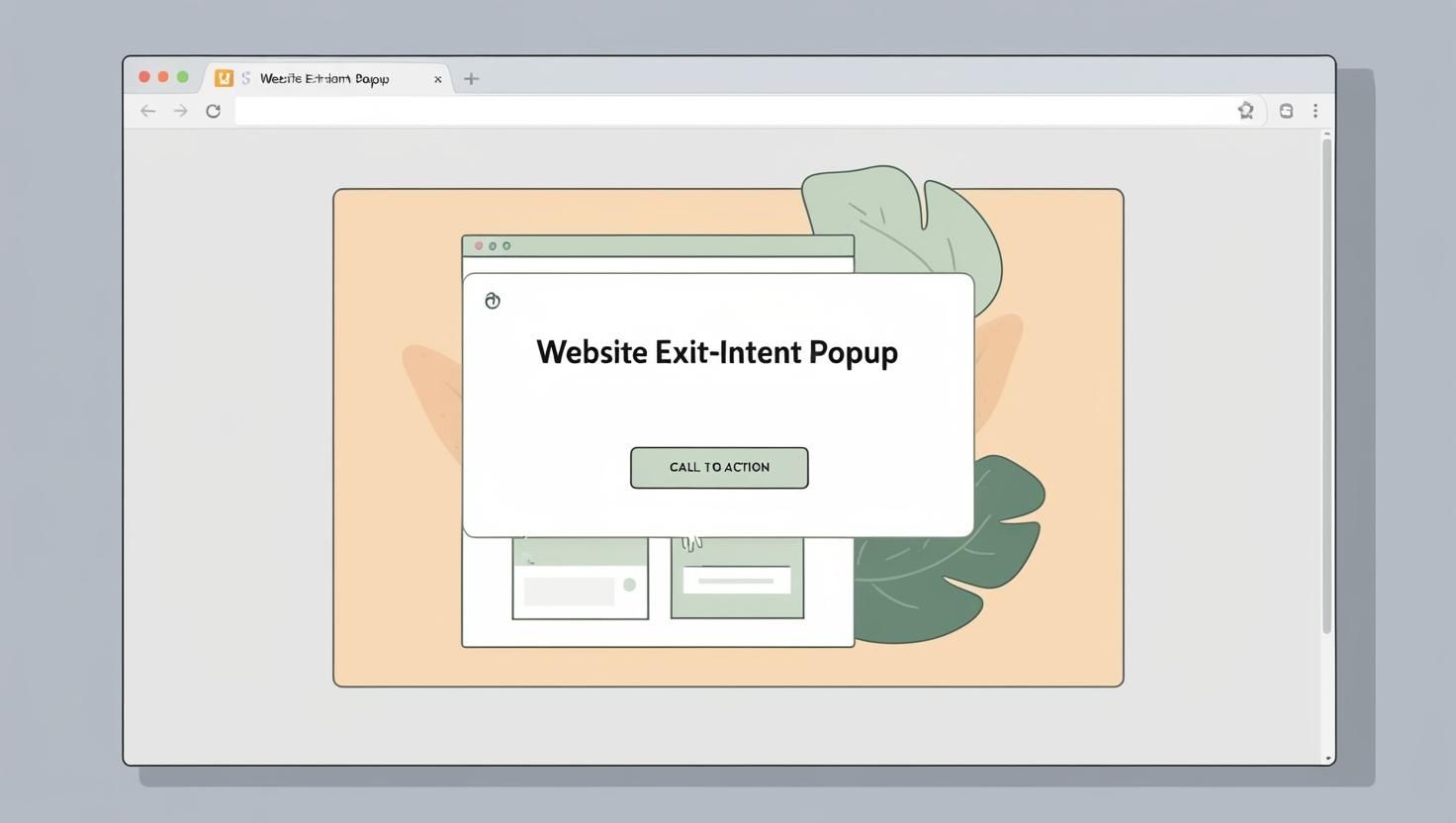
    Utilizing exit-intent popups can capture the attention of users who are about to leave the site without completing a form. These popups can offer incentives, provide assistance, or simply remind users to complete the form, thereby reducing abandonment rates.

    Leverage Social Proof

    Displaying testimonials, reviews, or user counts can serve as social proof, reassuring potential customers of the value and reliability of your offerings. This strategy can encourage users to complete forms and proceed with conversions.

    Optimize Call-to-Action (CTA) Buttons

    Clear and compelling CTAs guide users toward the desired action. Using actionoriented language, contrasting colors, and strategic placement of CTA buttons can enhance their effectiveness and boost conversion rates.

    Utilize Analytics for Continuous Improvement

    Employing analytics tools to monitor form interactions provides insights into user behavior. Identifying drop-off points and understanding user challenges allow businesses to make data-driven adjustments to forms, leading to improved completion rates.

    Introducing Trakg: Revolutionizing Form Engagement

    Recognizing the critical issue of form abandonment, Trakg was developed to provide a comprehensive solution. Trakg is designed to track incomplete form submissions, automate follow-ups, and offer insights into user drop-off points. By addressing the root causes of form abandonment, Trakg enables businesses to recover lost opportunities and maximize conversions.

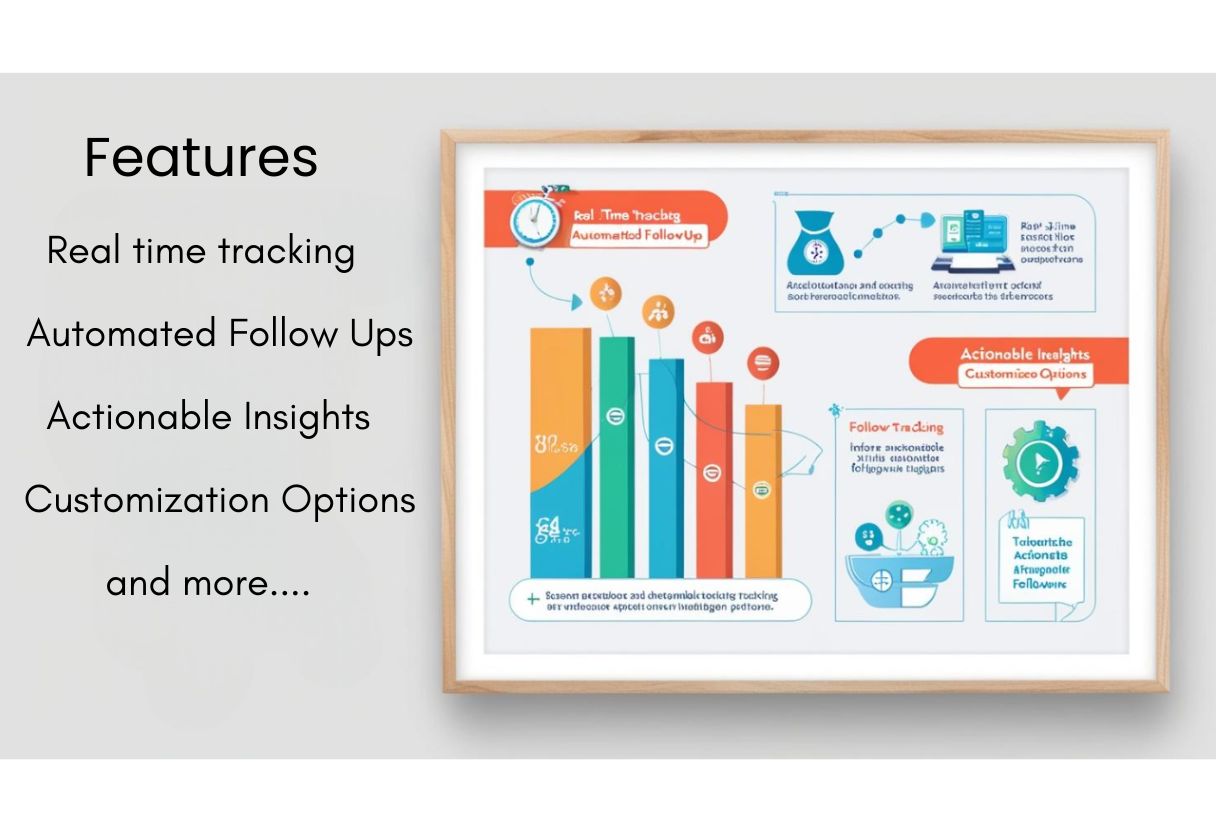
    Key Features of Trakg:

    Real-Time Tracking: Monitor user interactions with forms in real-time to identify where and why abandonments occur.

    Automated Follow-Ups: Automatically reach out to users who have partially completed forms, encouraging them to return and finish the process.

    Actionable Insights: Gain access to detailed analytics that highlight user behavior patterns, allowing for targeted improvements.

    Customization Options: Tailor forms and follow-up strategies to align with specific business needs and user preferences.

    Conclusion

    In a highly competitive market, optimizing conversion rates is essential for business success. By implementing strategies to reduce form abandonment and leveraging innovative solutions like Trakg, businesses can enhance user engagement, recover lost leads, and ultimately achieve higher conversion rates. Addressing form abandonment not only recovers potential revenue but also improves the overall user experience, fostering long-term customer relationships.

    Read More:How to Recover Lost Leads Without Spending More on Ads

  • How to Recover Lost Leads Without Spending More on Ads

    How to Recover Lost Leads Without Spending More on Ads

    Recover lost leads without increasing your ad spend! Learn how to track incomplete forms, automate follow-ups, and optimize conversions Trakg. Boost your lead recovery strategy today!

    Introduction

    Instead of continuously increasing your ad spend to attract more leads, what if you could recover the ones you already captured? That’s where lead recovery strategies come in, and that’s exactly what Trakg is designed to solve.

    Every business owner knows the frustration of losing potential customers before they convert. Whether it’s an abandoned checkout, a half-filled sign-up form, or a contact form left incomplete, lost leads represent a massive missed opportunity.

    Instead of continuously increasing your ad spend to attract more leads, what if you could recover the ones you already captured? That’s where lead recovery strategies come in, and that’s exactly what Trakg is designed to solve.

    In this blog, we’ll explore effHow to Recover Lost Leads Without Spending More on Adsective ways to recover lost leads without spending more on paid ads, focusing on tracking incomplete forms, automating follow-ups, and optimizing lead engagement.

    Understanding Lead Abandonment

    Lead abandonment occurs when users start engaging with your website or forms but fail to complete the intended action. According to Baymard Institute, the average online cart abandonment rate is 68%, while WPForms reports that 81% of online forms are abandoned before submission.

    Here are some key reasons why leads abandon forms:

    • Lengthy Forms – 27% of users abandon forms that take too long to fill.

    • Security Concerns – 29% of users worry about data privacy.

    • Technical Issues – 40% of form abandonments happen due to slow-loading pages or unresponsive design.

    • Confusing User Experience – Poorly designed forms can deter users from completing their submissions.

    Solution:

    Instead of spending more money on ads to drive new traffic, businesses can maximize the conversion of their existing traffic by implementing a lead recovery strategy with form tracking, analytics, and automation.

    How to Recover Lost Leads Effectively

    Implement Form Tracking & Analytics

    One of the biggest reasons leads go unconverted is that businesses fail to understand why users abandon their forms. Trakg solves this problem by providing real-time tracking and analytics for online forms.

    How it Works:

    • Capture partial form submissions, even if the user doesn’t click “submit.”

    • Identify which form fields cause drop-offs (e.g., long text inputs, phone number fields, etc.).

    • Analyze time spent on forms to pinpoint engagement patterns.

    Automate Lead Follow-Ups

    Most businesses lose leads simply because they don’t follow up at the right time. Automated follow-ups can recover leads before they go cold.

    Trakg’s automation features include:

    Email Reminders: Send automated emails to users who abandoned forms, encouraging them to complete their submission.

    • SMS Follow-Ups: A quick text message can nudge a lead back to complete the form.

    • Exit-Intent Popups: Show dynamic popups when a user is about to leave the page.

    Best Practices for Automated Follow-Ups:

    Personalization: Use the lead’s name and reference their partial submission.

    Timing Matters: Follow up within 24 hours for maximum conversion.

    • Value-Driven Messages: Offer a discount, free consultation, or exclusive content to encourage form completion.

    Optimize Form Design for Better Conversions

    A major reason for form abandonment is poor UX design. Improving the form structure can lead to significant conversion gains.

    Best Practices for Form Optimization:

    Minimize Required Fields – Only ask for essential information.

    Progress Indicators – Show users how far along they are.

    Mobile-Friendly Design – Ensure forms are fully responsive.

    Autocomplete Features – Reduce typing effort.

    By integrating Trakg, businesses can A/B test different form designs to see which version
    performs best.

    Use Retargeting (Without Increasing Ad Spend)

    Instead of spending more on ads, leverage organic retargeting strategies:

    • Email Drip Campaigns: Use automated sequences to re-engage leads over time.
    • Social Media Engagement: Retarget abandoned leads through LinkedIn and
      Facebook direct messaging.
    • Live Chat & Chatbots: Engage users before they leave.

    Case Study: How Trakg Helps Businesses Recover Lost Leads

    A SaaS business integrated Trakg’s tracking and automation into their lead generation forms. Within 60 days, they saw:

    35% increase in form completion rates

    • 50% of abandoned leads recovered through automated email follow-ups

    Higher engagement on retargeting efforts

    By focusing on recovering existing leads instead of spending on ads, the company significantly improved its conversion rate and ROI.

    Conclusion:

    The Smart Way to Recover Lost Leads

    Lost leads don’t have to be a permanent loss. By implementing form tracking, automation, and UX optimization, businesses can recover valuable leads without increasing their ad spend.

    Trakg is the ultimate solution to:

    • Capture and analyze partial form submissions

    • Automate lead follow-ups via email & SMS

    • Optimize form design for maximum conversions Start recovering lost leads today with Trakg and turn abandoned forms into real revenue opportunities.

    Book a Demo Now to see how Trakg can help your business recover lost leads efficiently.


    Read More:5 Reasons Why Users Leave Forms And How to Fix It